🚀 Software Engineering Trends in 2026: From AI Copilots to Platform Engineering
andra
andra.manday@gmail.com
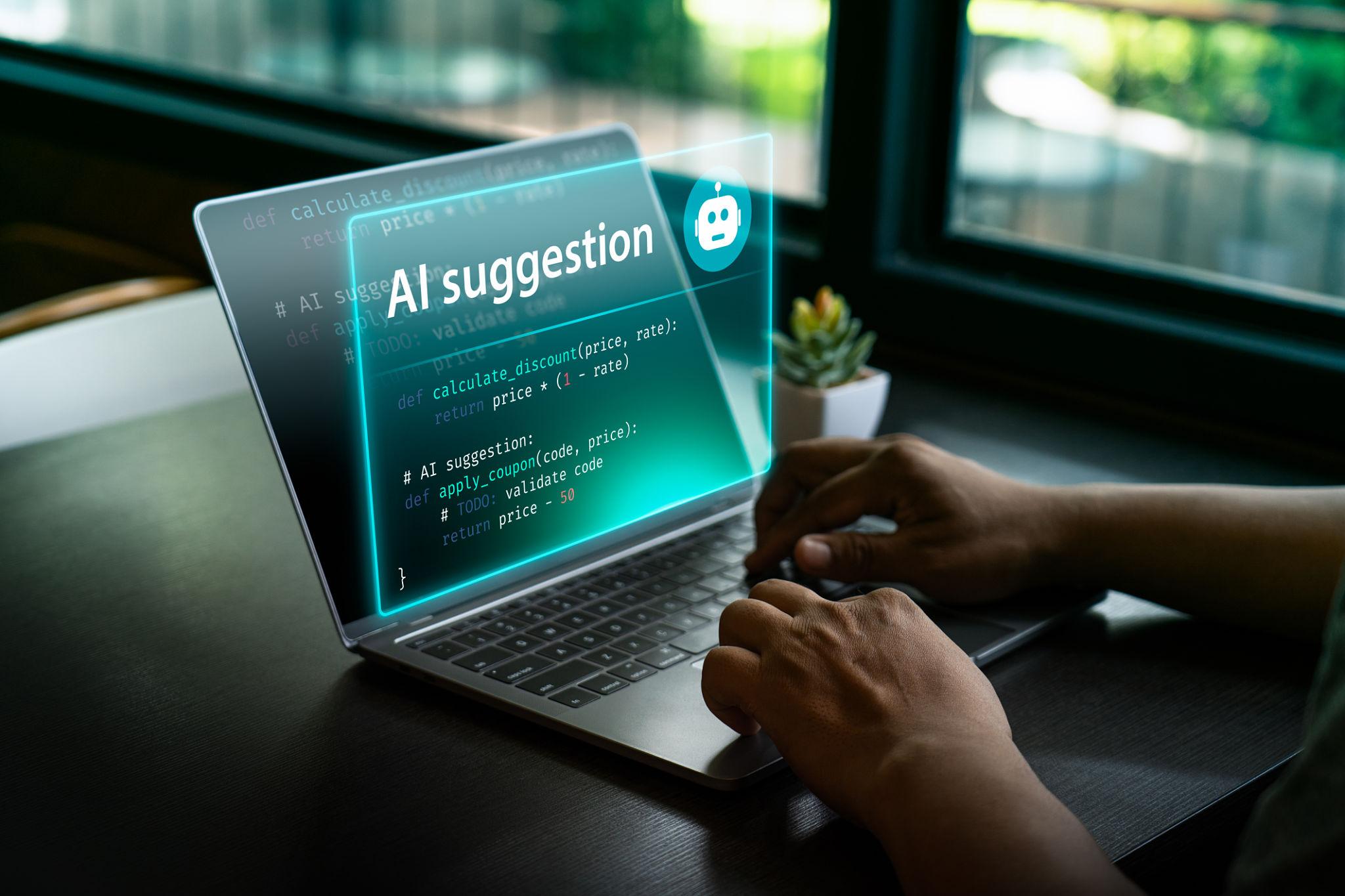
🤖 AI Copilots Are Now a “Must-Have”
AI tools such as GitHub Copilot and ChatGPT have become a core part of the developer workflow.
Impact:
- 🚀 Faster development and increased productivity
- 🧠 Developers focus more on problem-solving than writing boilerplate code
- ⚠️ Risk of over-reliance on AI-generated code
Challenges:
- Maintaining code quality and readability
- Avoiding hidden security vulnerabilities
- Preventing skill gaps among junior developers
🧩 Platform Engineering Is Replacing Traditional DevOps
DevOps is not disappearing—it’s evolving into Platform Engineering.
What it means:
Internal teams build developer platforms that allow engineers to:
- Deploy faster
- Avoid dealing with complex infrastructure
- Use self-service environments
Popular tools:
- Kubernetes
- Backstage (developer portal)
- Internal Developer Platforms (IDP)
Why it matters:
As microservices grow more complex, teams need abstraction layers to stay productive.
🧱 Microservices Are Being Simplified
After years of hype, many companies are realizing:
❌ Microservices are not a silver bullet
New direction:
- Modular monoliths are making a comeback
- Hybrid architectures (mix of monolith + microservices)
- Strong focus on simplicity and maintainability
Key insight:
Many startups now start with a monolith, then evolve when necessary.
🔐 Security Becomes a First-Class Citizen
Security is no longer something added at the end—it’s integrated from the beginning.
Modern practices:
- Automated SAST & DAST in CI/CD pipelines
- Dependency scanning to prevent supply chain attacks
- Adoption of Zero Trust Architecture
Why it matters:
Threats such as:
- Dependency hijacking
- API abuse
- Credential leaks are increasing rapidly.
⚡ Edge Computing & Serverless Are Rising
Modern applications must be:
- Fast
- Globally distributed
- Low latency
Solutions:
- Edge Functions (e.g., Cloudflare Workers, Vercel Edge)
- Serverless backends
Benefits:
- No server management
- Automatic scaling
- Cost efficiency (pay-per-use model)
📊 Observability > Monitoring
Monitoring is no longer enough. The focus has shifted to observability.
Core components:
- Logs
- Metrics
- Traces
Tools:
- OpenTelemetry
- Prometheus + Grafana
- Datadog
Goal:
Not just knowing that something failed—but understanding why it failed.
🧠 Rise of Polyglot Programming
There is no longer a “one-size-fits-all” programming language.
Trends:
- Backend: Go, Node.js, Rust
- Data & AI: Python
- High-performance systems: Rust
- Enterprise systems: Java remains strong
Insight:
Modern engineers need flexibility, not loyalty to a single language.
🧑💻 Developer Experience (DX) Becomes a Priority
Companies are realizing:
Happy developers = higher productivity
Focus areas:
- Faster build and deployment pipelines
- Clear and accessible documentation
- Simple and effective tooling
🔚 Conclusion
Software engineering in 2026 is no longer just about writing code—it’s about:
- 🤝 Collaboration between humans and AI
- 🧠 Simpler, more maintainable architectures
- ⚙️ Automation and internal platforms
- 🔐 Security from day one
- 🚀 Faster delivery without sacrificing quality
andra
andra.manday@gmail.com